
Let's talk

ONE TEAM

Software product development services from one senior team

Software product development services cover the product and engineering work behind a software product, from validation and UX to the build, launch and scale, and BrainStormers delivers both from one senior team.

The drawing shows a user's request as a sequence diagram and, under it, product and engineering picking a costed option, shipping it behind a flag and measuring the result.

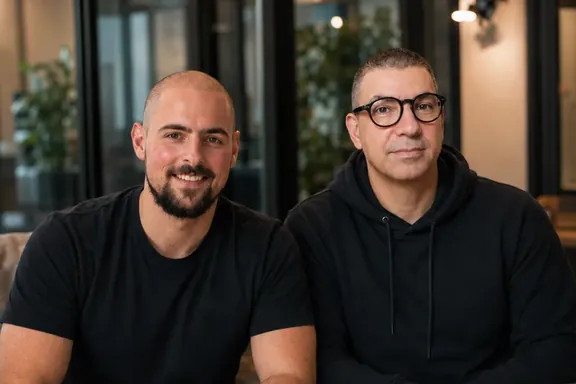
Roger Grekos leads product and Thanos Gkanas leads engineering, working from one shared plan. Your product management services and backend development services run from that plan, so nothing is lost in a hand-off between two vendors. It suits founders who want product development consulting and the code behind it, for a new SaaS product or one that already has users.

01ONE PLAN, TWO LANES

One team from first thought to shipped

Product and engineering run as two lanes of one plan. Roger leads product, Thanos leads engineering, and hand-offs happen inside one team, not across a contract.

VALIDATE

Roger: Problem interviews, demand tests and a go, pivot or stop call

Thanos: A feasibility check on the hardest technical question

DESIGN

Roger: User flows, scope and the must-haves of the first version

Thanos: Architecture, data model and a build estimate

BUILD

Roger: Each release checked against the scope and user feedback

Thanos: The build itself: code, tests, CI and a staging environment

LAUNCH

Roger: Launch plan, onboarding and the first pricing test

Thanos: Production setup, monitoring and a rollback path

SCALE

Roger: The roadmap, pricing and plan for the next stage of growth

Thanos: Performance, cloud costs and the handover to your own team

02IN BRIEF

What custom software product development includes

Custom software product development covers every step from an idea to a product people pay for, built around your users rather than a template. With BrainStormers it runs in five stages, and each one ends with something you can check:

  • Validate: interviews and demand tests that confirm the problem and the buyer.
  • Design: user flows, a scoped first version and an architecture that fits it.
  • Build: the code, with tests, code review and continuous integration from the start.
  • Launch: production setup, monitoring, onboarding and a first pricing test.
  • Scale: a roadmap for the next stage, cloud cost reviews and a handover to your own team.

Our SaaS product development services follow the same path, with extra care on sign-up, billing, permissions and how customer data is separated, because those parts are the hardest to change once real customers rely on them.

What to check before you buy SaaS development services

Ask any partner four questions before you sign, including us. First, who makes product decisions and who makes technical ones? If the answer is the same person or nobody, expect the scope to drift. Second, will you see working software early, in your own repository and cloud accounts? If not, you cannot judge progress for yourself. Third, what does the handover include: tests, documentation, runbooks and access? If the answer is vague, you may struggle to change partners later. Fourth, what happens when the plan changes: is there a simple way to re-scope without starting a new contract?

Good SaaS development services answer all four in plain words and in writing before the work starts. They also tell you what they would not build yet, and why, because a short first version that proves the idea is worth more than a long one that guesses.

What drives the cost of software product development

Scope drives the cost more than anything else, so the cheapest product is the one with the fewest features that still proves the idea. After scope come integrations with other systems, such as payments, single sign-on or old data; compliance needs, such as privacy, accessibility or security reviews; the number of platforms, since web, iOS and Android are each real work; and how much already exists, because auditing and reusing sound code costs less than starting over.

Timeline matters too. A fixed date with a fixed scope needs more people working at once, which raises the weekly cost and the coordination load. We estimate each of these drivers openly before the build starts and show you which features move the price most, so you can cut scope instead of quality and still launch something you trust.

03

What you get from both suites

Every service, from both suites, is planned against the same roadmap.

ENGINEERING

Engineering

From the engineering suite, led by Thanos: MVP development services for startups, cloud migration consulting services and the rest of the build and run work. Need a technical lead without a full-time hire? Hire fractional CTO support from the same team.

  1. AI code fixes

    Senior review and repair for apps built with AI coding tools: security, data and scale problems found, ranked and fixed.
  2. Crisis response

    Senior help when production is down, a release failed or a vendor vanished: stabilize first, then fix the cause.
  3. MVP development

    Scope the smallest product that proves demand, then build it with senior engineers on code you can grow.
  4. Fractional CTO

    A senior part-time CTO for architecture, hiring, vendors and the roadmap, without a full-time salary.
  5. DevOps consulting

    CI/CD, infrastructure as code, monitoring and on-call that a small team can run, set up with your developers.
  6. Cloud consulting

    Cloud architecture, migration, security and cost control on AWS, Google Cloud or Azure, sized for your next stage.
  7. Code audit

    An independent source code audit of security, architecture, tests and delivery risk, written up as a ranked fix list.
  8. Technical due diligence

    Code, architecture, security, team and scale risk, reviewed for investors and founders before a round or an acquisition.
  9. Team augmentation

    Senior engineers who take tickets from your board, review the hard parts and plan the handover from the first week.
  10. AI integration

    LLM features, AI agents, retrieval and evaluation built into your product, with cost and safety controls that hold up in production.

All engineering services

PRODUCT

Product

From the product suite, led by Roger: digital product discovery, B2B SaaS design and a fractional product manager and CPO, meaning a part-time chief product officer, plus research, pricing and scale planning.

  1. Fractional product manager

    A senior product lead, part time: discovery, roadmap and delivery without a full-time hire.
  2. Product strategy

    Decide who the product serves, what to build next and what to drop, with evidence behind each call.
  3. Product discovery

    Customer interviews, workshops and prototypes that show what customers will pay for before you build.
  4. Idea validation

    Research, interviews and smoke tests that end in a go, pivot or stop decision before you build.
  5. Usability testing

    Moderated and remote sessions with real users, turned into a ranked list of fixes.
  6. UX audit

    A ranked review of your onboarding, key flows, accessibility and conversion, with a suggested fix for every issue.
  7. UX/UI design

    SaaS UX and UI design for startups: flows, screens, design systems and prototypes your engineers can build.
  8. Pricing and monetization

    Pricing strategy for startups: value metric, plans, usage pricing and price tests, built into a monetization plan.
  9. Scale planning

    A staged plan for your next stage of growth: team shape, process, product operations and the systems behind them.

All product services

04WHICH DO YOU NEED?

When software product development services make sense

Hiring both suites is not always the right call. Here is when each option fits.

Do you have a product lead?
Do you have engineers?
Which BrainStormers option fits each situation
SituationHire bothEngineering onlyProduct only
No product lead and no engineers yetYesOnly if the product is already definedOnly if someone else will build it
Engineers in place, nobody owning the productIf the code also needs workLeaves the product gap openYes
A product lead in place, no senior engineerIf the roadmap also needs a resetYesLeaves the build gap open
An AI-built prototype that has to become a real productYesIf the product direction is settledIf the code is already sound
A launched product that has stopped growingIf the system also limits growthIf the cause is technicalYes

05ENGAGEMENT MODELS

Four ways to hire both suites

Combined work runs in the same four models as a single service. See how we work for each one.

  • Advisory

    Joint sessions with Roger and Thanos on a plan that touches both product and code.

    You get

    • The product view and the technical view in one session
    • Written notes with the trade-offs named
    • A recommended next step for each lane

    Typical shape

    Sessions with both founders, booked when you need them

    Quoted after a short call

    Ask for a quote
  • Hands-on build

    A combined build or rebuild, with one scope covering research, design and code.

    You get

    • One scope and one plan for both lanes
    • Releases checked against user evidence
    • Code, designs and research handed over together

    Typical shape

    Scoped to your first version

    Quoted after a short call

    Ask for a quote
  • Embedded capacity

    A product lead and senior engineers inside your team at the same time.

    You get

    • Product and engineering seats filled together
    • Specs and code written to one standard
    • Notes and docs that stay when we leave

    Typical shape

    Set days each week, for as long as you need, per person

    Quoted after a short call

    Ask for a quote
  • Fractional pair

    A fractional CTO and a fractional product lead working as a pair.

    You get

    • One roadmap that product and engineering both sign
    • Hiring and onboarding for both functions
    • Investor updates that cover product and technology

    Typical shape

    An agreed share of each month for each lead, reviewed monthly

    Quoted after a short call

    Ask for a quote

06

Your first 30 days

A sample first month on a combined engagement. Every project is different, so treat the ranges as starting points to confirm together, not promises.

  1. WEEK 1

    Roger: Kick-off, then 5 to 8 interviews with users and stakeholders

    Thanos: Access to code and accounts, and a first read of the system and its risks

  2. WEEK 2

    Roger: A problem statement, success measures and a first scope for review

    Thanos: Architecture notes, a risk list ranked by impact and a build estimate

  3. WEEK 3

    Roger: Prototype or flow tests with 3 to 5 target users

    Thanos: The first build slice in staging, with CI and tests in place

  4. WEEK 4

    Roger: A roadmap for the next 8 to 12 weeks and a pricing test plan

    Thanos: Deploy pipeline, monitoring and a written plan for the next build phase

07THE FOUNDERS

Who you work with

Two leads, one plan. Roger owns the product lane and Thanos owns the engineering lane, and they agree the plan together before work starts.

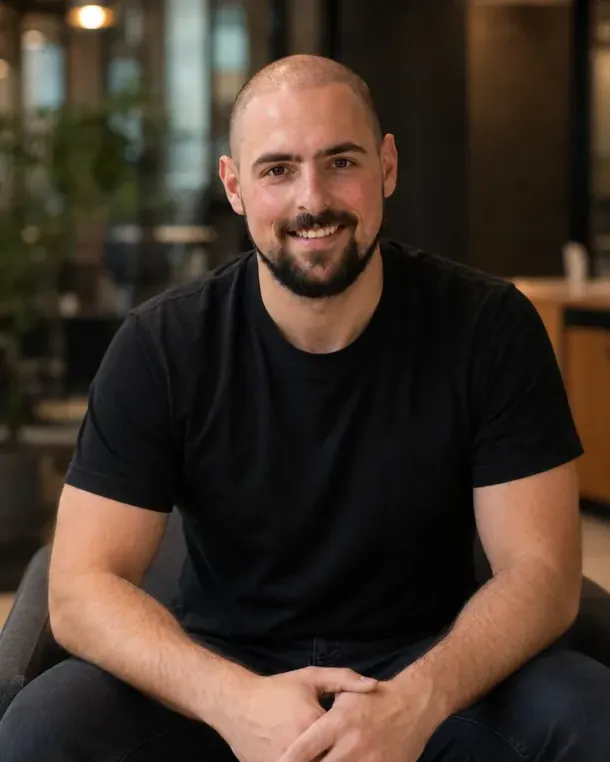
Roger Grekos

Roger Grekos

CO-FOUNDER · PRODUCT

On a combined project I keep one written plan that both lanes work from: who it is for, what we are testing, what ships next and what waits.

Put a price in front of a real buyer early. It answers questions a month of debate cannot.

Roger GrekosCO-FOUNDER · PRODUCT
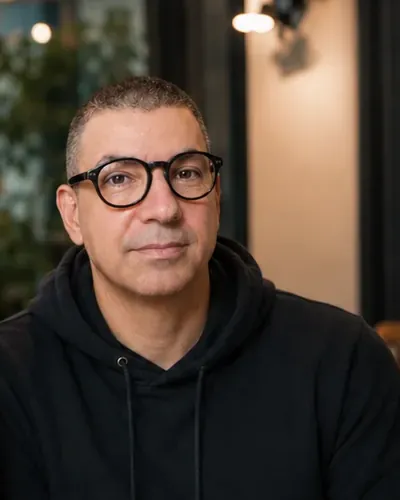
Thanos Gkanas

Thanos Gkanas

CO-FOUNDER · ENGINEERING

Every release I ship can be switched off in one step. That is what lets Roger test ideas on real users without putting the product at risk.

The fastest fix is the one you never have to make twice.

Thanos GkanasCO-FOUNDER · ENGINEERING

08FAQ

Questions about software product development services

What are software product development services?

Software product development services are the combined product and engineering work behind a software product: validating the idea, deciding what to build, designing it, writing and testing the code, launching it and keeping it running as it grows. Some firms cover one side only. BrainStormers covers both, with one senior team and one plan.

Why hire one team for product and engineering instead of two vendors?

Because the hard decisions sit between the two. When product and engineering sit with different vendors, scope changes travel through tickets and contracts, and trade-offs get settled late. With one team, the person who knows what users need and the person who knows what the system can carry make the call together, early and in writing.

What does your product development process look like?

It runs in five stages: validate, design, build, launch and scale. Each stage ends with something you can check, such as interview notes, a scope, a working release or a launch plan. Inside each stage the work follows our audit, build and ship steps, so you always know what was found, what is being built and what comes next.

Do you build SaaS products from scratch?

Yes. We can take a SaaS idea from validation to a launched first version: interviews and demand tests, a scoped feature set, UX and UI design, the build with tests and CI, hosting and monitoring, and a launch pricing plan. If you already have a prototype or an AI-built app, we audit it first and build on what is sound.

What does the first month of a combined engagement look like?

The first month is about facts and a plan. Roger interviews users and stakeholders and turns what he hears into a scope. Thanos reviews the code, accounts and infrastructure and ranks the risks. By the end of the month you have a shared plan, a first build slice or prototype, and a clear proposal for what comes next.

Can we start with product work and add engineering later?

Yes. A common path is product work first, such as validation, discovery or a UX audit, with engineering added once the scope is clear. Because both suites share one plan and the same notes, engineering starts from the product decisions already made instead of a fresh brief. You can also go the other way and start with a code audit.

Who makes product decisions and who makes technical decisions?

Roger Grekos makes the product calls: who the product is for, what goes into each release and how it is priced. Thanos Gkanas makes the technical calls: architecture, tools, quality and operations. Where the two meet, they agree a recommendation together. Your team keeps the final say on anything that changes the budget, the scope or the business.

NEXT STEP

Build it with one team

Tell us where the product stands today and what you want it to do next. You get the product view and the technical view in one conversation.